
Using a pH pen to test different papers for acidity - the results
June 30, 2026 • Naomi Southon

If you read my other post on why paper acidity is important you'll know that the pH of a paper can effect how well it ages. What do I mean? Well will the paper discolour, become brittle and damage other parts of the work or will it stay in it's white, unchanged state. The chemicals in some papers can create an acidic foundation for your art. The acid can come from the fibre composition of the paper (lignin in wood pulp is high acid) or from treatments but as it breaks down it can seep that acid into the work and damage it, not what you want from a piece of work you have spent hours over.
Understanding Paper Acidity: What Every Crafter Should Know About Archival Quality
June 30, 2026 • Naomi Southon

If you've ever pulled out an old scrapbook or photo album only to find the pages turned brittle, yellowed, and crumbling at the edges, you've seen paper acidity in action. For crafters, scrapbookers, bookbinders, and mixed-media artists, understanding acidity isn't just a technical curiosity — it's the difference between a piece that lasts for decades and one that destroys itself (and anything touching it) within a few years.
This guide breaks down what paper acidity actually is, how to test for it, and what it means for the long-term survival of your art.
How I Have Used Botanical Prints in my Sketchbook
September 10, 2023 • Naomi Southon
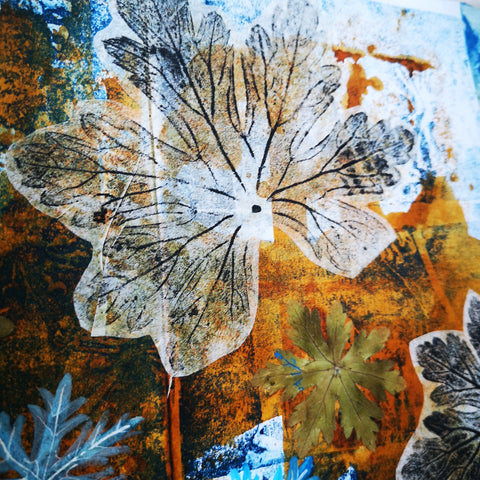
As discussed in the previous blog post, botanical printing is a simple printing technique that allows us to capture the beautiful details and structures in plant material by using it for relief printing. I printed a selection of leaves using relief printing inks onto both thick and thin teabag papers for inclusion in my sketchbook work, in particular the Seawhite Octopus Sketchbook that I am currently using.
Botanical Print Making Using Tea Bag Paper
September 04, 2023 • Naomi Southon
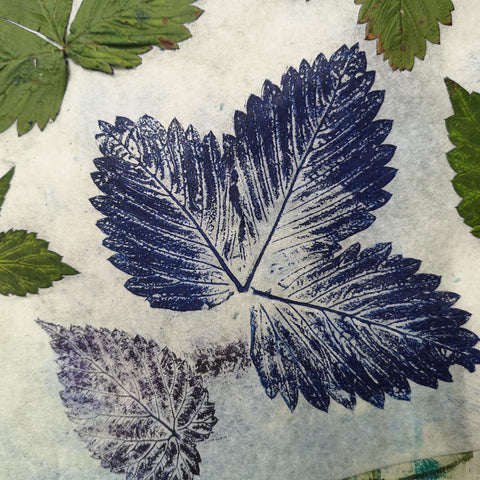
Botanical printing, a unique and creative technique, combines nature, ink, and a roller to produce stunning prints inspired by the natural world. It is a process that allows artists and enthusiasts to create beautiful designs using actual plant materials.
Botanical printing involves applying ink or dye to the surface of leaves, flowers, or other plant parts and then transferring their intricate patterns onto paper or fabric. The plant materials act as natural stamps or stencils, leaving behind their unique shapes and textures on the chosen medium.
Using a Gelli Plate to Create Patterns and Collage Papers
July 31, 2023 • Naomi Southon
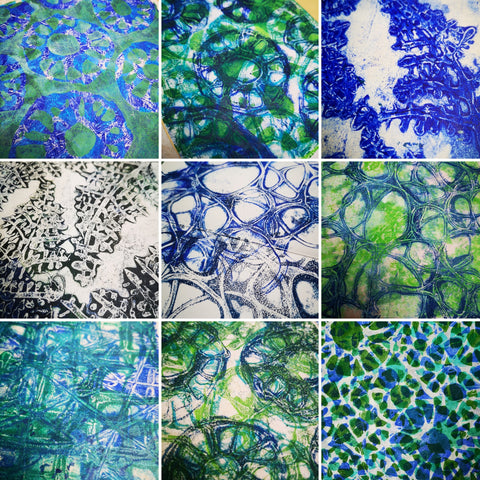
One of the main advantages of using a gelli plate is its ability to create beautiful and intricate patterns with ease. The surface of the plate has a gel-like consistency, which allows for easy manipulation and control over the desired pattern or texture. Artists can experiment with different tools, such as stencils, brushes, or even found objects, to create interesting textures on the surface of the gelli plate to create visually interesting designs. These textures are then transferred onto paper when it is pressed onto the plate.