
Blog
Making Your Own UV Box for Cyanotype Making
November 24, 2023 • Naomi Southon

A UV bed or UV box can be a valuable tool for cyanotype enthusiasts who want to create prints without relying on sunshine. Cyanotype is a photographic printing process that uses a photosensitive solution and UV light to produce distinctive blue-toned images. Traditionally, this process requires exposure to natural sunlight, but with a UV bed, you can achieve the same results in a controlled environment.
Creating a Decorated Tealight Holder Using Teabag Paper Cyanotypes
October 20, 2023 • Naomi Southon
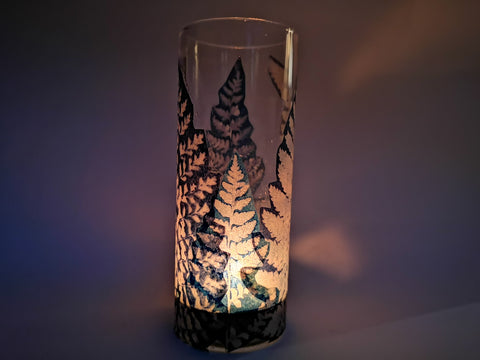
The evenings are drawing in and we are wanting to make our homes more cosy so here is the perfect easy project to do just that. How to make a beautiful tealight holder using teabag paper cyanotypes. This method would be just as effective with other prints on teabag paper such as gelli prints or botanical prints, all of which there are separate blog posts for. The reason teabag paper is a good choice for this project is that it is strong and will take all sorts of manipulating whilst damp and with glue it becomes more transparent. These night lights were made with the thicker teabag paper but I intend on trying it out with the thin too as I think the layering possibilities with that will make a beautiful result.
How I Have Used Botanical Prints in my Sketchbook
September 10, 2023 • Naomi Southon
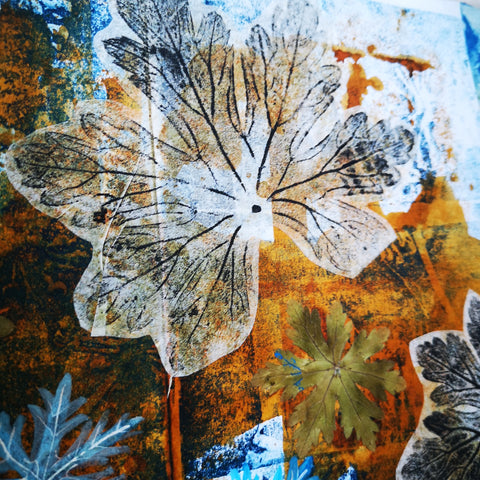
As discussed in the previous blog post, botanical printing is a simple printing technique that allows us to capture the beautiful details and structures in plant material by using it for relief printing. I printed a selection of leaves using relief printing inks onto both thick and thin teabag papers for inclusion in my sketchbook work, in particular the Seawhite Octopus Sketchbook that I am currently using.
Botanical Print Making Using Tea Bag Paper
September 04, 2023 • Naomi Southon
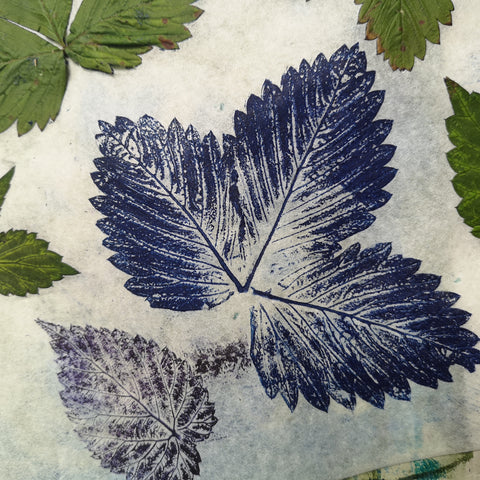
Botanical printing, a unique and creative technique, combines nature, ink, and a roller to produce stunning prints inspired by the natural world. It is a process that allows artists and enthusiasts to create beautiful designs using actual plant materials.
Botanical printing involves applying ink or dye to the surface of leaves, flowers, or other plant parts and then transferring their intricate patterns onto paper or fabric. The plant materials act as natural stamps or stencils, leaving behind their unique shapes and textures on the chosen medium.
Using a Gelli Plate to Create Patterns and Collage Papers
July 31, 2023 • Naomi Southon
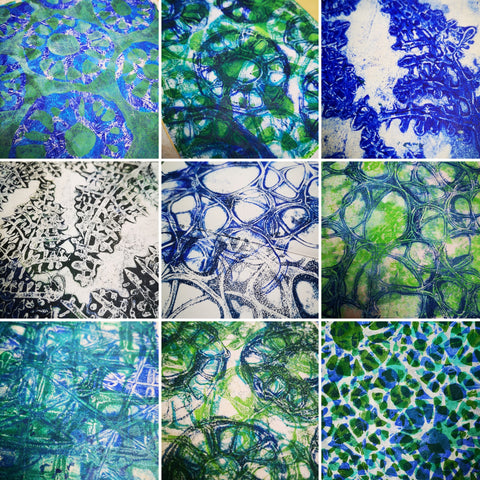
One of the main advantages of using a gelli plate is its ability to create beautiful and intricate patterns with ease. The surface of the plate has a gel-like consistency, which allows for easy manipulation and control over the desired pattern or texture. Artists can experiment with different tools, such as stencils, brushes, or even found objects, to create interesting textures on the surface of the gelli plate to create visually interesting designs. These textures are then transferred onto paper when it is pressed onto the plate.